
Izu Peninsula・Hakone – Luxury Onsen Ryokan Guide
Japan’s finest onsen ryokans are not simply places to stay, but places designed for privacy and stillness.
From the ocean views of Atami to the forest temples of Shuzenji and the mountain culture of Hakone, each region offers a distinct atmosphere shaped by nature and tradition.
Ocean. Forest. Mountain.
One seamless private journey.

Ocean | Views | Design | Open-Air Onsen
The most luxurious gateway to the Izu Peninsula

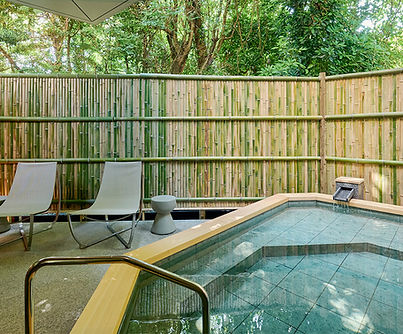


Shuzenji Temple Area
Ancient Temple × Pure Japanese Style × Cultural Heritage
The essence of traditional Japanese ryokan aesthetics.
A cultural-heritage ryokan from the Meiji era, preserved like a living museum.
Hallways, baths, and gardens retain their century-old charm.
Perfect for guests who love classic Japanese history and traditional ryokan culture.
Yumeguri-no-Yado Kikuya
Approx. 28,000–50,000 JPY /P
A 400-year-old historic ryokan with its signature “Yumeguri Corridor.”
Traditional in style but comfortably updated, offering great value and a very pleasant stay.
Arai Ryokan
Approx.35,000 to 60,000 JPY /P
Asaba
One of Japan’s top luxury ryokans, known for its pond garden, Noh stage, wooden architecture, and exceptionally quiet service.
Hard to book, ideal for travelers seeking a true once-in-a-lifetime ryokan stay.
Approx. 70,000–110,000 JPY /P
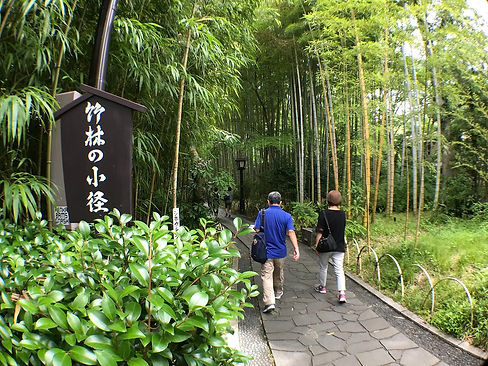
The Quiet Charm of Shuzenji Onsen
Stroll through bamboo paths and along the Katsura River to Shuzenji Temple, where the gentle mix of temple grounds and onsen town creates a peaceful atmosphere.
Here you’ll find the purest form of traditional Japanese ryokan aesthetics, with every corner telling stories passed down for centuries.
From Meiji-era cultural heritage buildings to 400-year-old historic ryokans, Shuzenji is one of the best places to experience authentic Japanese onsen culture.
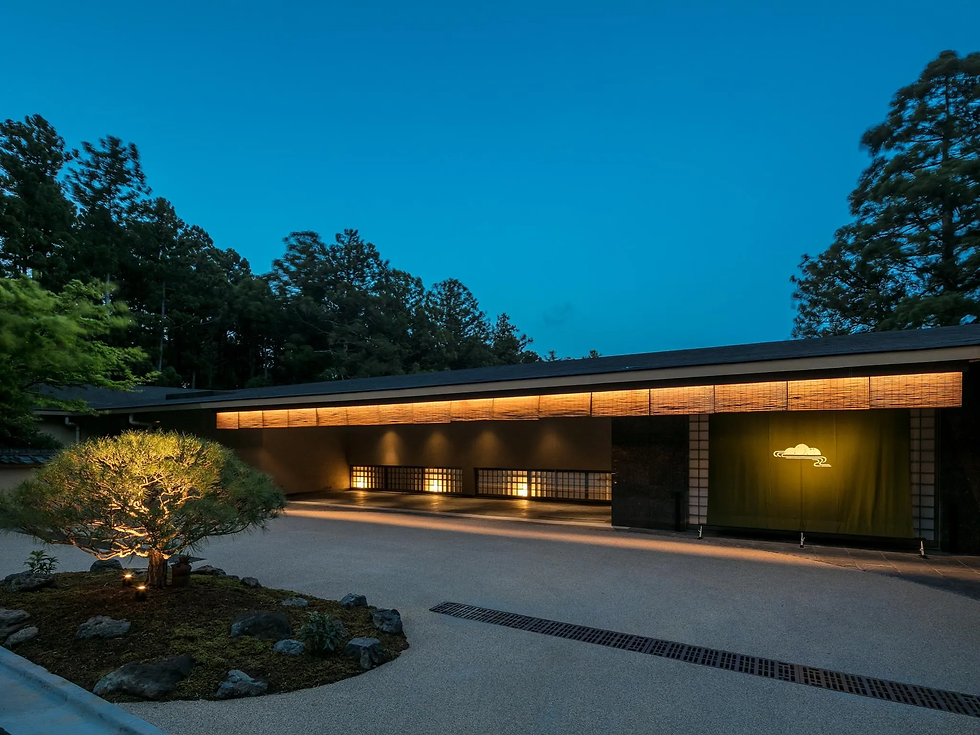
Izu Highlands・Central Izu・Hakone
Luxury Escapes in Forests, Rivers, and Mountain Scenery

Five-Day Luxury Route Recommendation
For Two Travelers × Private Chauffeur × Fully Tailored Experience
Below is a route designed to match true luxury standards, featuring three iconic regions: Izu, Central Izu, and Hakone.
From Tokyo to Atami, Shuzenji, and Hakone, each night is spent at a top-class ryokan, with private transport throughout for a seamless and comfortable journey.
Day 1: Tokyo → Kamakura → Atami
Airport pickup (Narita/Haneda).
Stop by the Great Buddha of Kamakura and Hase-dera for a gentle walk.
Continue to Atami, visit Atami Castle’s observation deck or the MOA Museum.
Check in at a luxury ryokan such as Kaihourou or Fufu Atami.
Day 2: Atami → Izu Highlands → Shuzenji
Take the ropeway to the summit of Omuro Mountain for panoramic views of Sagami Bay.
Visit Izu Kogen, Jogasaki Coast, and Kadowaki Suspension Bridge.
Head into the peaceful streets of Shuzenji Onsen, staying at Arai Ryokan or Asaba.
Day 3: Shuzenji → Hakone
Explore Shuzenji Onsen Village, stroll through bamboo paths, and visit Shuzenji Temple.
Enjoy a refined local lunch.
Travel to Hakone and check in at Gora Hanaougi or Suishoen.
Day 4: Hakone → Tokyo
Visit Hakone Shrine, then ride the Hakone Ropeway for views of the Owakudani volcanic valley.
Afternoon at Lake Ashi with Mt. Fuji views.
Return to Tokyo and stay in the city.
Day 5: Tokyo → Airport
Free time for shopping, cafés, dining, or museum visits.
Private chauffeur transfer to Narita or Haneda Airport for departure.
Trip Highlights & Experiences
Atami – Ocean Views
Enjoy private open-air baths designed by Kengo Kuma at Kaihourou, overlooking Sagami Bay.
The MOA Museum blends Japanese art and architecture — a must-visit for art lovers.
Mount Omuro & Izu Highlands
Ride the chairlift to the crater rim for a 360° walk with views of Mt. Fuji and the Izu coastline.
Visit the cliffs of Jogasaki and the Kadowaki Suspension Bridge for dramatic Pacific scenery.
Hakone Shrine & Lake Ashi
Walk through the forest to Hakone Shrine’s iconic torii and explore the volcanic valley of Owakudani.
At Lake Ashi, enjoy classic views of Mt. Fuji and the surrounding Hakone mountains.


Budget Guide & Booking Tips
FAQ
Q1. How early should I book?
Reserve 1–3 months in advance. Leading ryokans such as ふふ熱海, あさば, and 強羅花壇 have limited rooms and sell out quickly, especially during cherry blossom and autumn foliage seasons.
Q2. What’s the difference between Atami, Shuzenji, and Hakone?
Atami offers ocean views and a refined coastal resort atmosphere.
Shuzenji is known for forest surroundings and traditional temple culture.
Hakone features mountain scenery, art museums, and the widest ryokan selection.
Each area delivers a distinct landscape and experience.
Q3. Why are luxury ryokans expensive?
Rates reflect spacious rooms, private open-air baths, premium views, and full-course dinner and breakfast. High-end ryokans emphasize privacy, service precision, and seasonal cuisine.
Q4. Anything to know before staying?
Arrive before dinner time to fully enjoy the onsen experience.
Avoid strong perfume.
Inform the ryokan of any food allergies or dietary restrictions in advance.
Q5. Are meals included?
Yes. Most luxury ryokans include both dinner and breakfast. Dinner is typically seasonal kaiseki cuisine highlighting local ingredients.
Q6. No Japanese — any problem?
Generally no. Most luxury ryokans provide basic English support.
With Miramar’s chauffeur service, check-in, communication, and special requests are handled on your behalf.
Q7. Distance between Atami, Shuzenji, and Hakone?
Atami → Shuzenji: approximately 40 minutes by car.
Shuzenji → Hakone: approximately 1 hour.
Private transportation allows smooth transfers without luggage handling concerns.
Q8. Good for a two-person trip?
Yes. Luxury ryokans focus on privacy, quiet surroundings, and intimate settings, making them ideal for couples or two guests.
Q9. Best 5-day route?
Tokyo → Atami → Shuzenji → Hakone → Tokyo.
This route offers a gradual transition from ocean to forest to mountain scenery.
Q10. What’s included in Miramar’s chauffeur service?
Toyota Alphard vehicle, luggage assistance, ryokan check-in support, flexible sightseeing stops, and airport transfers.


