
Discover the Best Onsen Areas in Hakone: A Complete Guide for International Travelers
Updated: Aug 24
If you are searching for Hakone onsen, Hakone ryokan recommendations, one night two meals (kaiseki dinner), or Hakone kaiseki cuisine, this guide will help you understand the differences between Hakone’s major hot spring areas in the most practical way. We also introduce several traditional ryokan with historic architecture, so you can enjoy both authentic Japanese bathing culture and refined kaiseki dining in one unforgettable journey.
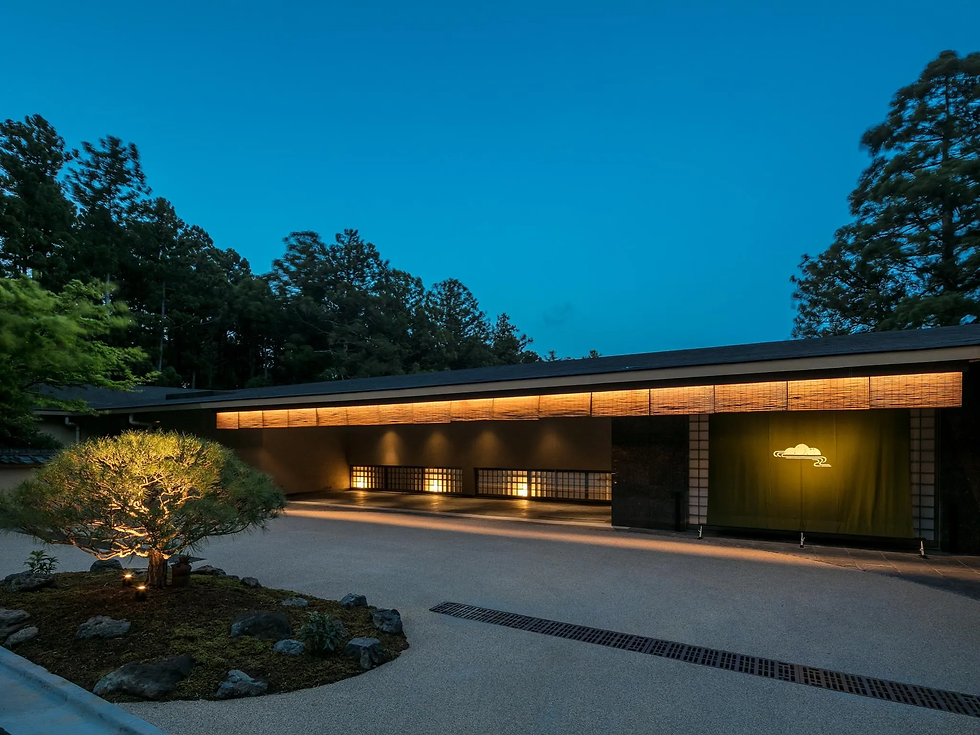
Why Choosing the Right Area in Hakone Defines the Quality of Your Trip
Hakone’s onsen resorts are spread across valleys, lakesides, and highland plateaus. Each area differs in accessibility, atmosphere, scenery, and dining experience. For international travelers, the biggest mistake is not choosing the wrong attraction, but choosing accommodation that does not match your travel style.
If you consider onsen and kaiseki dining as the core of your journey, selecting the right area will determine the overall quality of your Hakone experience.

Hakone Onsen Areas at a Glance (Choose by Travel Style)
Below, each area is introduced with:
Who it is best suited for
One or two representative traditional or historic ryokan for comparison
1. Yumoto & Tonosawa: The Most Reliable Choice for First-Time Visitors
Best for: First-time visitors, families, seniors, short stays, and travelers who value convenience
Yumoto is the main gateway to Hakone, offering easy transportation, shops, and restaurants around the station. If you want to “arrive and immediately relax,” Yumoto and nearby Tonosawa are the most practical and stress-free base.
Featured Traditional Ryokan
Fukuzumiro (Tonosawa)
Founded in 1890, this three-story wooden ryokan is registered as a Japanese cultural property. Its architecture perfectly embodies the atmosphere of a classic traditional onsen inn. For travelers seeking an authentic Japanese ryokan experience, Fukuzumiro often matches their ideal image of old Japan.
Tonosawa Ichinoyu Honkan
Established in 1630, this ryokan is known for its elegant sukiya-zukuri wooden architecture. It offers a quiet, refined atmosphere and is ideal for those who want to “stay inside history” for a night.
Choosing for Kaiseki Dining
Yumoto and Tonosawa are prized for accessibility. If dinner quality is important to you, choose ryokan that specialize in one night two meals (kaiseki dinner) with seasonal ingredients and well-paced courses. This will provide a much more authentic Hakone kaiseki dining experience than accommodations that treat dinner as an optional extra.

2. Kowakidani: Meiji-Era Charm and Historic Cultural Heritage
Best for: Travelers who appreciate architecture, history, and elegant dining experiences
Kowakidani is considered one of Hakone’s classic resort areas. Some ryokan here are destinations in themselves, where the buildings hold historical and cultural value.
Featured Historic Ryokan
Hakone Kowakien Mikawaya Ryokan
With a history of approximately 140 years, Mikawaya Ryokan’s main building is designated as a Japanese Registered Tangible Cultural Property. It has hosted notable figures over generations. If you want to combine Hakone onsen with historic architecture, Mikawaya is a quintessential choice.

3. Gora: The Highest Concentration of Luxury Ryokan and Kaiseki Cuisine
Best for: Couples, honeymooners, travelers who prioritize high-end onsen and fine dining
Gora offers a quieter, more refined atmosphere with a strong focus on premium hospitality. If your search terms include “luxury Hakone ryokan,” “Hakone kaiseki,” or “one night two meals in Hakone,” Gora is the area most likely to meet your expectations.
Featured Luxury Ryokan
Gora Kadan
Built on the former estate of an imperial family member, Gora Kadan is renowned for its refined kaiseki cuisine and exceptional onsen experience. If you value heritage, storytelling, and elite hospitality, this ryokan represents the pinnacle of Hakone luxury.
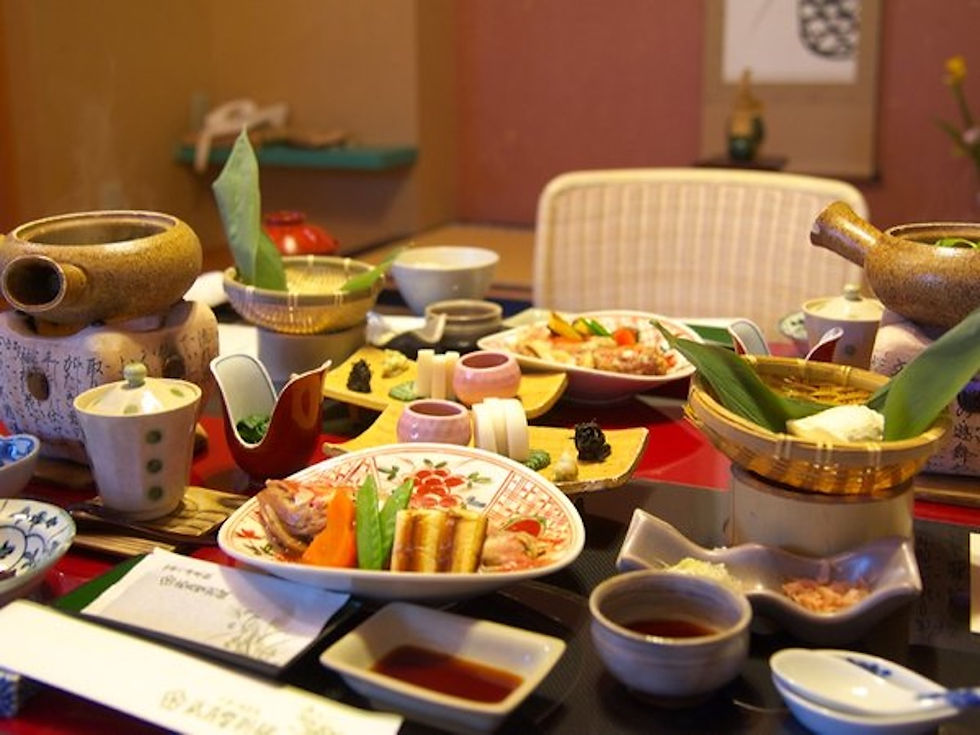
4. Sengokuhara: Spacious, Quiet, and Resort-Style Relaxation
Best for: Slow travel, families, small groups, and nature lovers
Sengokuhara offers open landscapes and a relaxed resort atmosphere. Ryokan in this area tend to have larger grounds and communal spaces, making it ideal for travelers who prioritize space, scenery, and tranquility.
Kaiseki Dining Perspective
Many ryokan in Sengokuhara also offer kaiseki-style dinners. However, the overall mood is more resort-like and leisurely. If your priority is scenery, spaciousness, and comfortable onsen rather than formal dining alone, Sengokuhara is a perfect fit.
5. Lake Ashi Area (Motohakone & Hakone-machi): Iconic Scenery and Classic Hakone Views
Best for: Travelers who value lake views, photography, and a classic Hakone atmosphere
Staying by Lake Ashi offers stunning morning and evening scenery. If you want to combine lake-view rooms, onsen, and kaiseki dining into a single experience, the lakeside area delivers one of the most memorable stays in Hakone.
Planning a Longer Luxury Onsen Journey
If you are planning a longer high-end trip that combines onsen relaxation with cultural travel or golf, you may also be interested in our exclusive experience:
Luxury Golf & Onsen Travel Program
This itinerary is designed for travelers who seek both refined hospitality and premium leisure in Japan.
Make Your Hakone Experience Exceptional: Let the Ryokan Be the Star
Hakone is easy to visit, but to experience it at the highest level, your accommodation should be the centerpiece of your journey. Decide first whether your priority is:
Convenience and accessibility
Historic architecture and heritage
Top-tier kaiseki dining
Or a lakeside resort atmosphere
For first-time visitors, Yumoto and Tonosawa are the safest choices.
For luxury dining and elite hospitality, Gora is unmatched.
For history and storytelling, Kowakidani’s traditional ryokan are unforgettable.
Frequently Asked Questions (FAQ)
Q1: Which Hakone onsen area is best for international travelers?
For first-time visitors, Yumoto and Tonosawa are the most convenient, with easy transportation and many accommodation options. For luxury onsen and kaiseki dining, Gora is highly popular among international travelers. Those seeking nature and resort-style relaxation may prefer Sengokuhara or the Lake Ashi area.
Q2: What does “one night two meals” mean? Does it include kaiseki?
“One night two meals” means your stay includes both dinner and breakfast. In Hakone, many ryokan serve dinner in the form of kaiseki or traditional multi-course cuisine, featuring seasonal ingredients and refined presentation. This is the most complete way to experience Japanese onsen culture.
Q3: How is kaiseki different from a regular Japanese dinner?
Kaiseki cuisine emphasizes seasonality, aesthetics, and pacing. Unlike standard set meals or buffet dining, kaiseki offers a curated culinary experience that reflects Japanese tradition and hospitality, making it one of the highlights of staying at a Hakone ryokan.
Q4: Are Hakone ryokan suitable for travelers who do not speak Japanese?
Yes. Most mid- to high-end ryokan in Hakone are experienced in hosting international guests and often provide English support, menus, or basic explanations. With minimal preparation, non-Japanese speakers can enjoy their stay comfortably.
Q5: Is it better to stay one night or two nights in Hakone?
One night is sufficient to enjoy onsen bathing and kaiseki dining. Two nights allow you to explore Lake Ashi, cable cars, Owakudani, and other attractions at a relaxed pace while fully enjoying the ryokan experience.
Q6: Can I choose a ryokan with a private onsen or in-room hot spring?
Yes. Many luxury ryokan in Hakone offer private baths or rooms with in-room onsen, ideal for couples or travelers seeking privacy. Be sure to request “private onsen” or “room with open-air bath” when booking.
Q7: Can Hakone be combined with golf or luxury travel itineraries?
Absolutely. Hakone is an excellent base for high-end travel around Tokyo, combining onsen, kaiseki cuisine, and premium golf courses. This combination is increasingly popular among international luxury travelers.
────────────────
For any itinerary planning or golf course reservations, feel free to get in touch.
Miramar Japan Golf & Travel
Phone / WhatsApp: +81 70 7586 7568
Email: 768mir@gmail.com
Visiting Hakone Without a Car?
Hakone's onsen areas are spread across the mountains, and moving between them by bus and cable car costs most of a day. A private chauffeur lets you reach the quieter districts described above, stop where you want, and return to Tokyo the same evening.


Comments